House Tips
House Tips from Fix it Nate
Why Caulking Around Your Sinks and Tubs Is So Important
Caulking might seem like a small detail — but it’s one of the most important parts of keeping your home in good shape.
That thin line of sealant around your bathtub, shower, or sink protects your walls, floors, and cabinets from hidden water damage. Over time, even the tiniest gaps can let moisture seep in — leading to soft walls, mold, and costly repairs
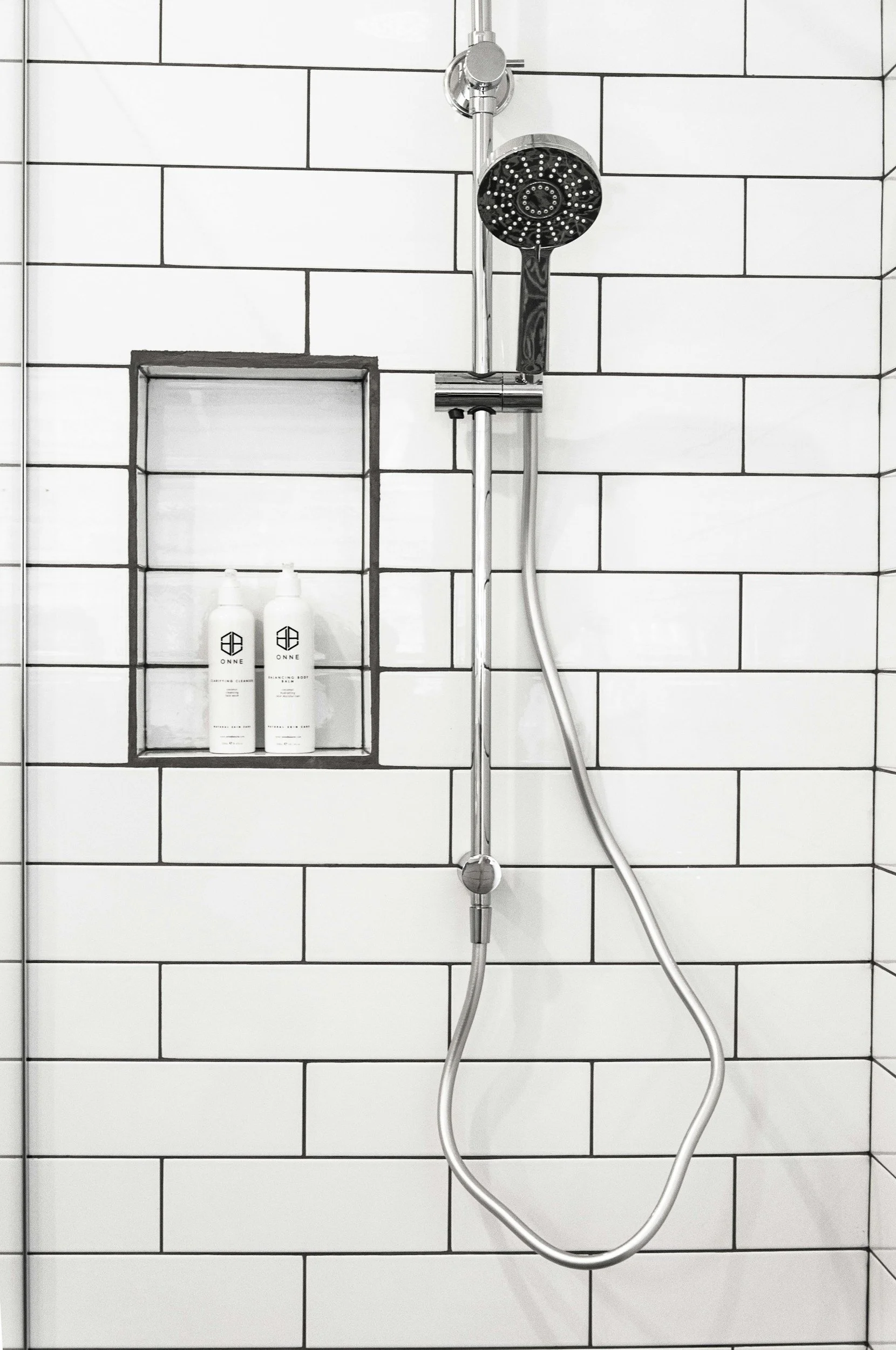
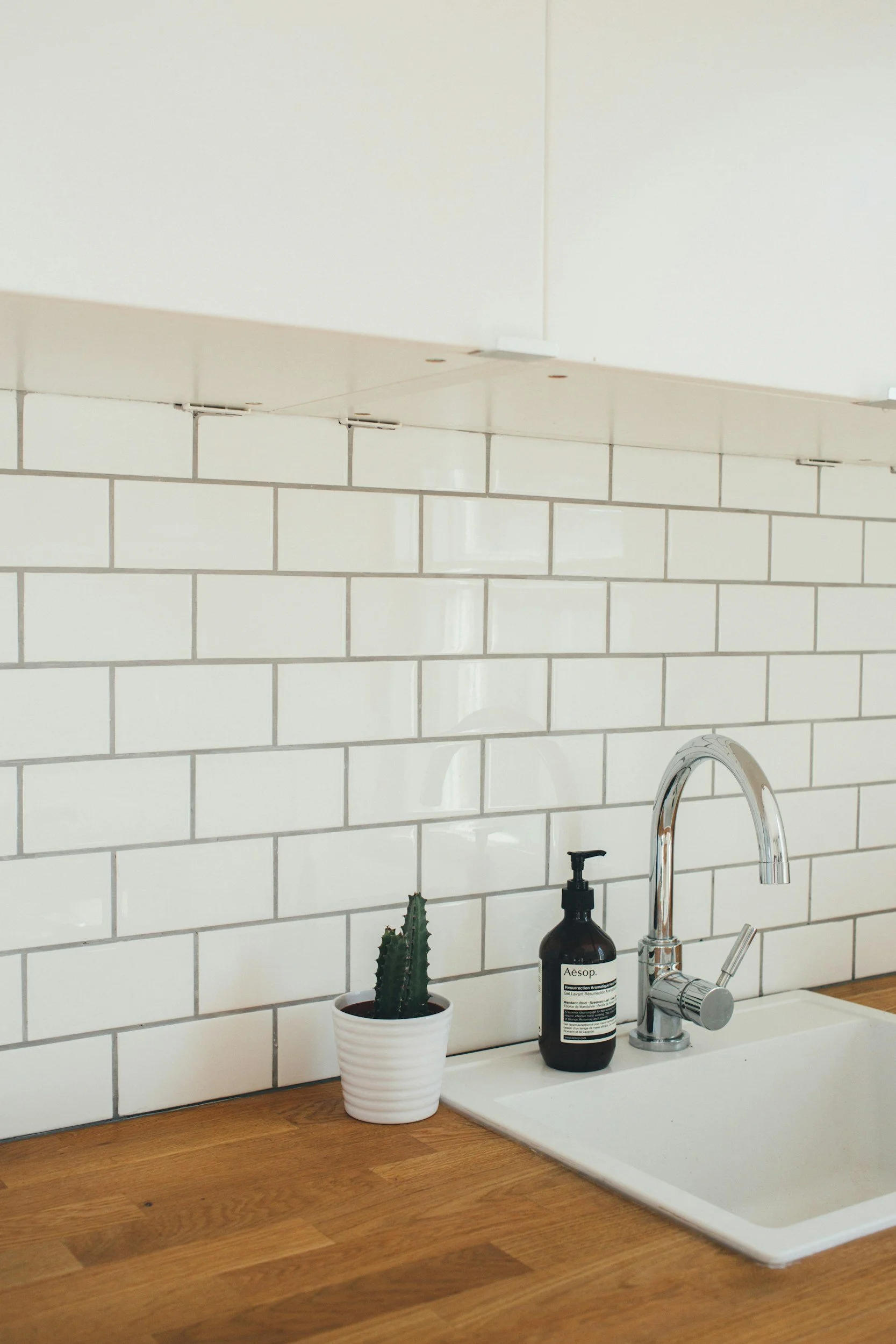
Remember Grout & Tile Seams as well!
Grout and tile joints slowly degrade, allowing moisture to seep in. Maintaining them protects the surfaces underneath.
What Happens When Caulk Wears Out
Caulk naturally breaks down with time, especially in warm, damp areas like bathrooms and kitchens.
Here’s what can happen when it’s no longer sealing properly:
Water leaks behind surfaces, soaking drywall or flooring
Mold and mildew grow in cracks and gaps
Paint peels or wood swells around sinks or tubs
Fixtures loosen because the surrounding material gets soft
Most homeowners don’t notice the problem until it’s too late — when tiles start popping off or the floor feels spongy underfoot.
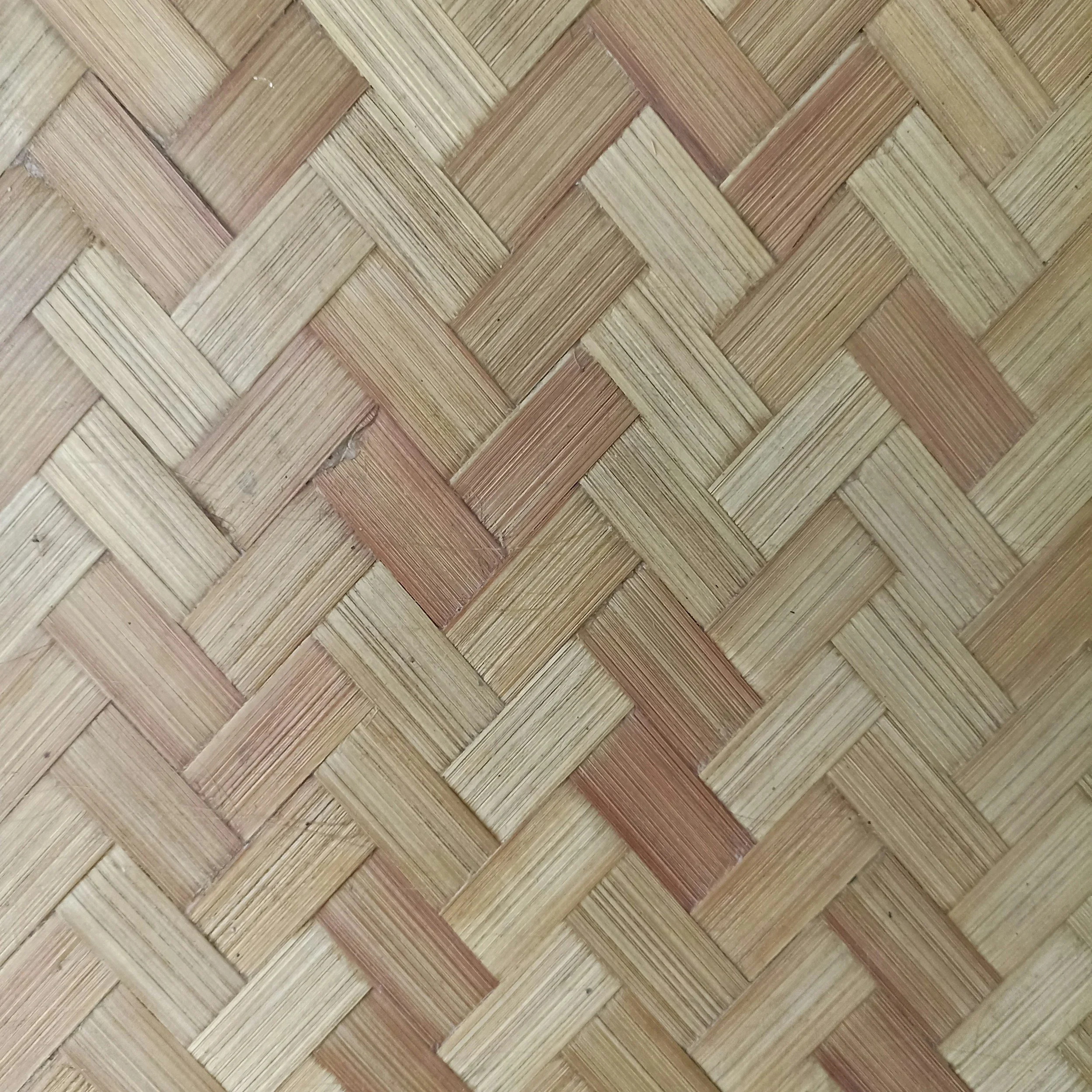
FLOORING
Warping, Buckling, or Soft Spots
If your floor feels uneven or soft underfoot, or you see boards that are lifting, curling, or warping, moisture is probably to blame. Water can sneak in through spills, leaks, or humidity and weaken the material underneath.
Left unchecked, this can lead to mold, rot, or subfloor damage — which gets expensive fast. Check out areas of concern.
When installing new flooring, set aside a few extra planks for future repairs or replacements.
Your floors take more daily wear than almost any other part of your home — foot traffic, pets, spills, furniture, and moisture all take their toll. Even the best flooring doesn’t last forever. Knowing when to replace it can help you avoid bigger problems down the road.
Sealing Marble, Granite and Quartz
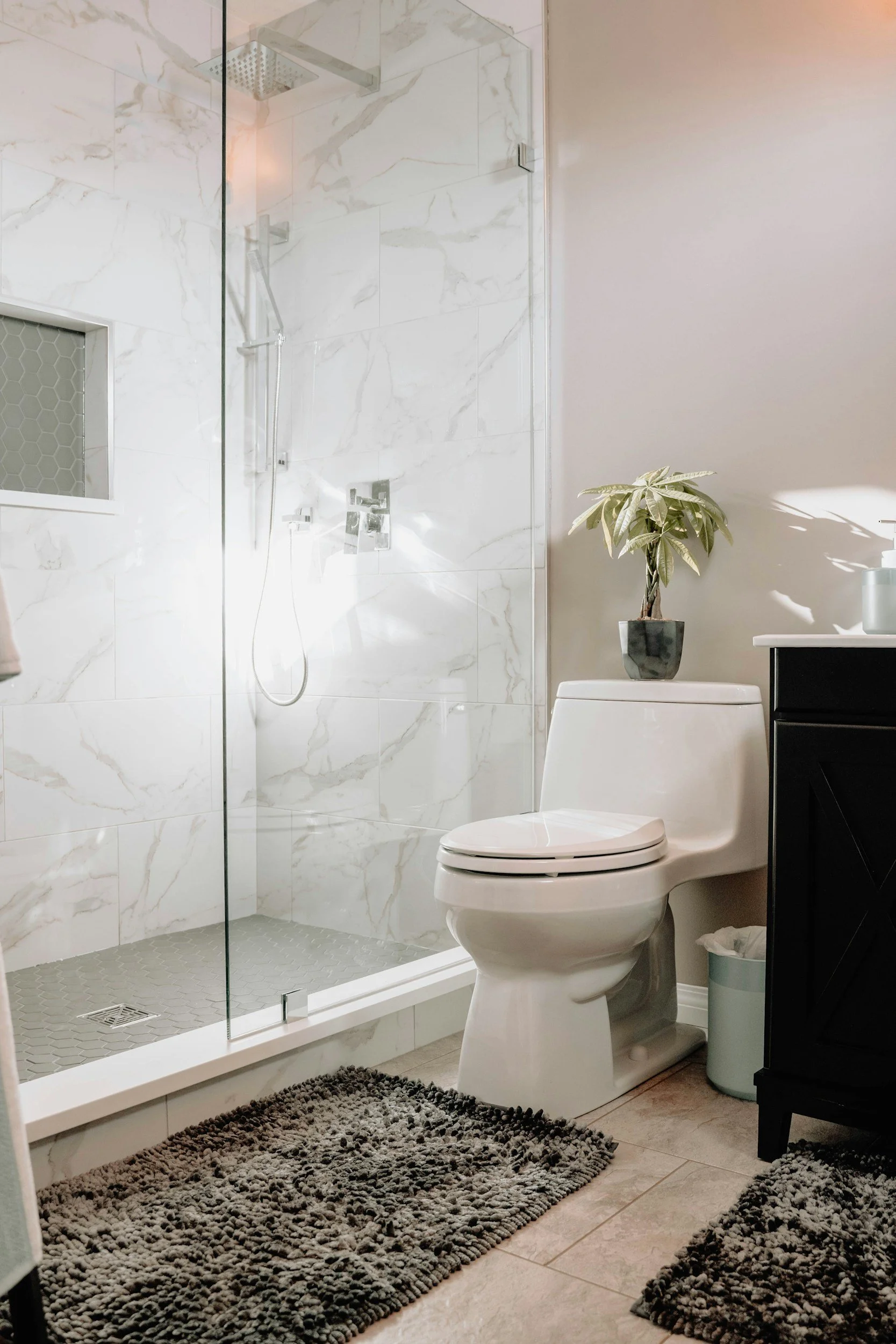
Why Seal??
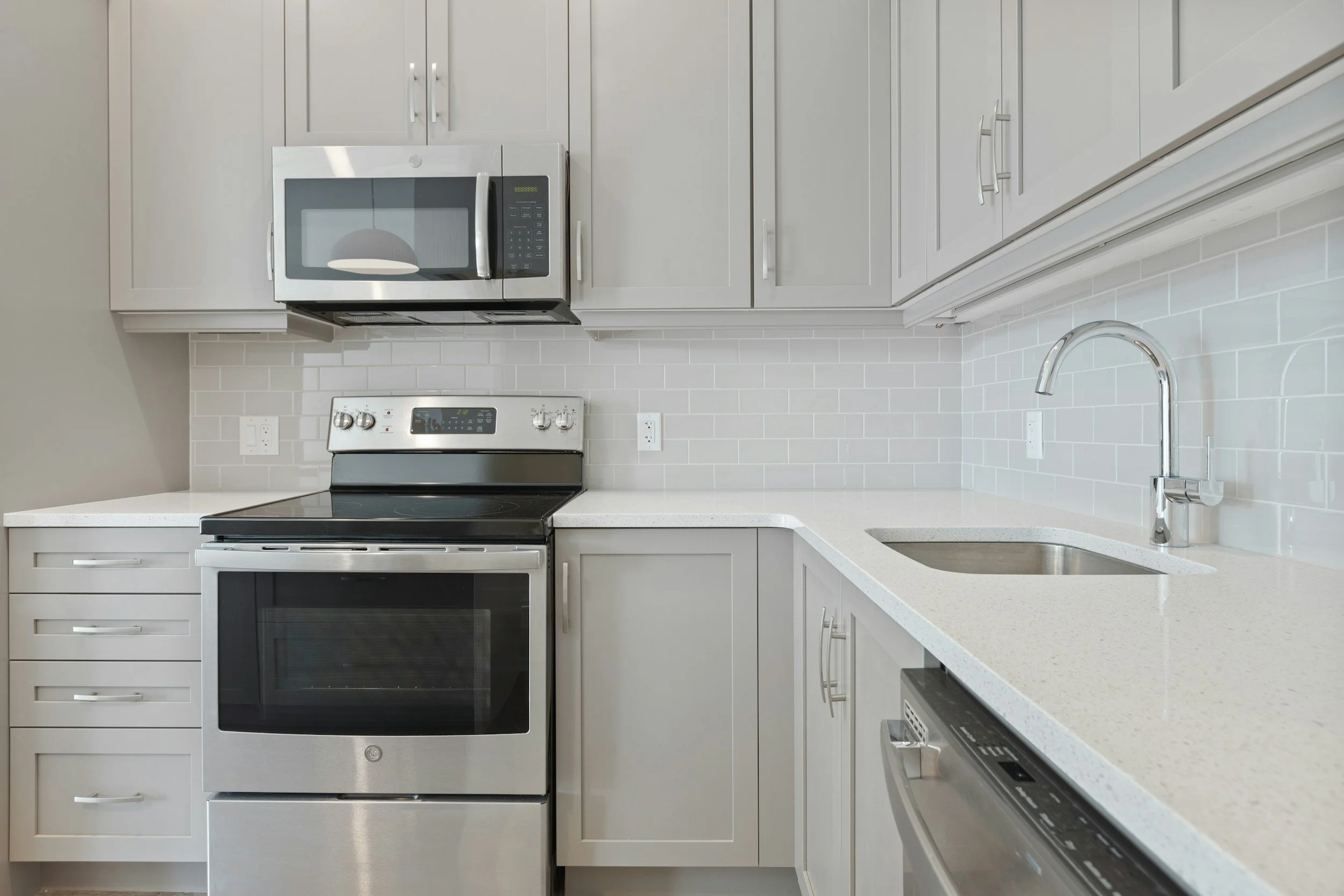
Stone surfaces may look tough, but they’re surprisingly vulnerable to stains and moisture. Regular sealing helps protect granite, quartz, and marble—especially marble, which can dull and lose its shine without upkeep. A little maintenance goes a long way in keeping countertops looking great.
How often should stone be sealed?
As a general rule, granite and quartz benefit from sealing every 1–3 years, depending on use. Marble typically needs sealing more often—about once a year—to keep its shine and protect against stains and etching. If you’re not sure when your surfaces were last sealed or don’t have the time to stay on top of it, Fix It Nate can take care of it for you.
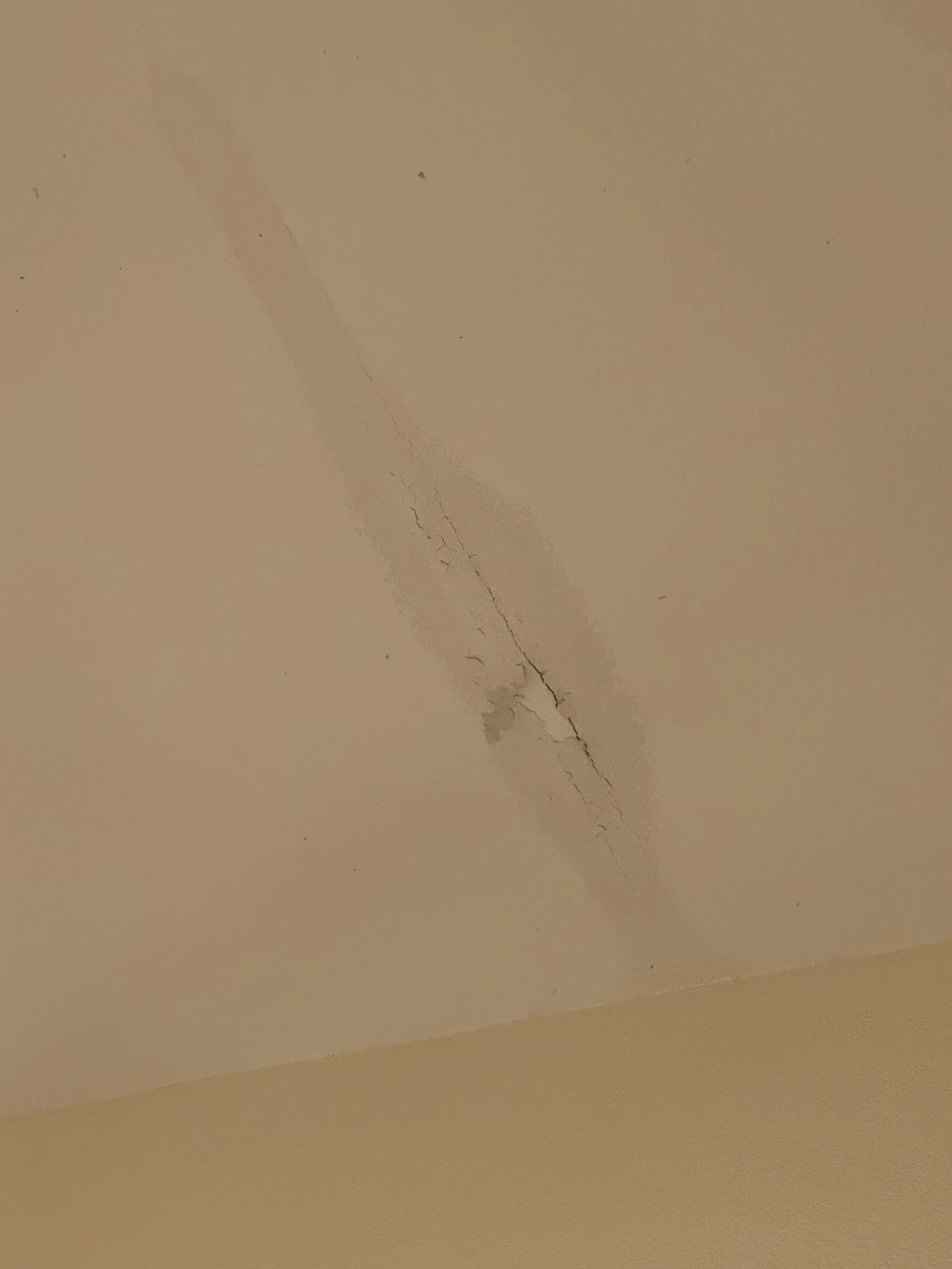
Water Where You Don’t See It
Hidden moisture is easy to overlook — until the paint starts cracking and you realize something’s been going on behind the scenes.
Hidden Water & Moisture
Not all water problems show up as leaks. Slow drips under sinks, loose supply lines, aging toilet seals, and minor tub or shower leaks can cause damage long before you notice anything is wrong. Periodically checking these hidden areas helps prevent rot, mold, and costly repairs down the road. Catching small moisture issues early is one of the easiest ways to protect your home.
When to Replace Your Hot Water Tank
If your water heater is over 10 years old, or you notice rust-colored water, leaks, or rumbling noises, it may be nearing the end of its life.
Replacing it early avoids water damage and ensures reliable hot water.
A quick replacement now can save you a big headache later.